By Derek McPherson

Unfortunately, the people that we surround ourselves with almost everyday do not always behave in ways that are deemed acceptable and sometimes the actions of these people require authorities to take action and protect society as a whole. It is important that steps are taken to ensure that those people who err on the wrong side of the law are given the opportunity to correct the behaviour of their past and try to better themselves to stop prisoners reoffending again. Introducing literacy education into prisons enables people that have been placed into prison to develop more acceptable social behaviors which is key to a successful rehabilitation program for offenders. Looking at criminal activity and reoffending, authorities that are in control of correctional facilities have a duty to offer literacy education to inmates, especially since doing so reduces prisoners returning to the prison system.
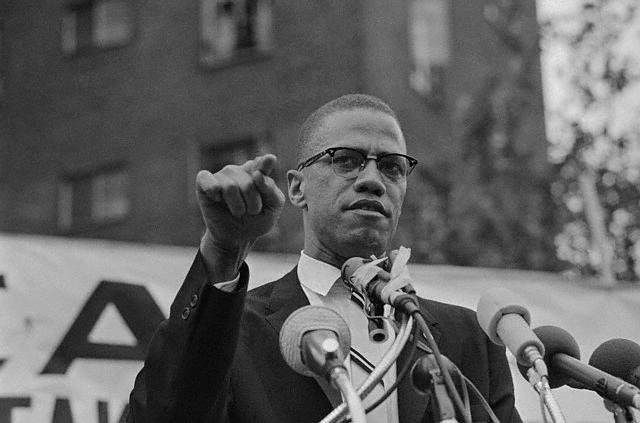
Throughout history, there have been many individuals that have managed to turn their misfortunes around and place themselves within society in what many would regard as highly respectable positions. Malcolm X could be considered to be one of these individuals. He is a power of example as to what can be done to turn around criminal behaviour and become an iconic figure representing thousands of people. He has used his voice, views, and opinions on varying topics to influence and inspire many people worldwide. Malcolm X came from a very deprived environment. He was not given any guidance on acceptable social behaviours or the importance of literacy education and the need for this type of education to be a successful individual. It was not until he was imprisoned that he found literacy and used his own drive, determination and motivation to move forward with his education. He did not let anything stand in the way of him building on his thirst for more reading and writing knowledge. Using this knowledge as a tool he had learned while being in the prison system he did not find the need to return to a dishonest life of crime on his release from prison.

Prison education is more than a means to pass the time while serving a criminal sentence, it is a proven strategy for reducing reoffending and improving opportunities for individuals transitioning into normal civilian life after serving prison sentences. In James S. Vacca’s “Educated Prisoners Are Less Likely to Return to Prison,” he states that “[the] ‘right kind’ of education works to both lower recidivism and reduce the level of violence” (298). Vacca also writes about the importance of providing literacy education to inmates and preparing them for their future after their time spent in correctional facilities. He cites many statistics regarding education in the prison system and the positive effect that providing educational resources has within the prison system, creating a less violent environment. Vacca also sources an investigation carried out in 1991 by David Clark and with the results of that investigation he mentions that “when inmates do not return to prison, correctional education programs produce a national savings of hundreds of millions of dollars per year” (299).
In “Teaching Literacy in Order to Turn the Page on Recidivism” by Emily Music she talks about the fact that most offenders that enter into penal institutions are sorely lacking in reading and writing skills, stating the Department of Justice has reported that the “ link between academic failure and delinquency, violence, and crime is welded to reading failure” (723). Music goes on to back up her argument that education is the strongest remedy for the regular problem of criminals reoffending, and strong evidence that the higher the level of education, the lower the likelihood of returning to criminal activity or prison.
Both Vacca and Music detail a slew of data in their work that clearly outlines that teaching literacy education in correctional facilities will help reduce ex-convicts reoffending. Music states that “Inmates have a 16% chance of returning to prison if they receive literacy help, as opposed to 70% chance for those who receive no such help”(724). Vacca has similar data from a study at the University of Oklahoma which states “that 25% of inmates who received vocational training in prison returned to prison following their release. This was compared to a 77% recidivism rate for the general population in the state of Oklahoma” (298). Both statements from the authors are very similar in regards to the statistics involved and stand fairly consistent with the common policy that offering literacy education in correctional facilities does help to reduce recidivism.
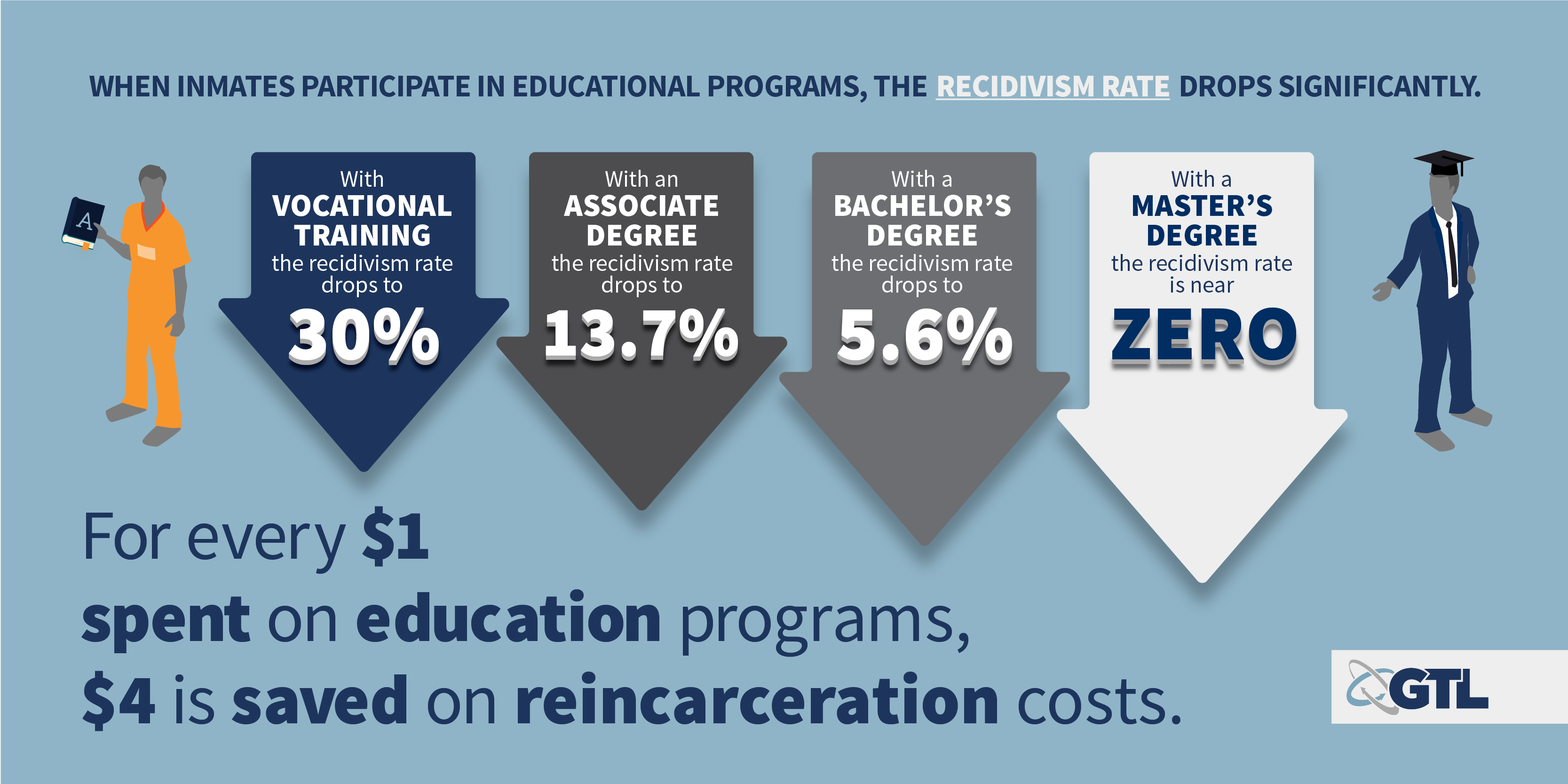
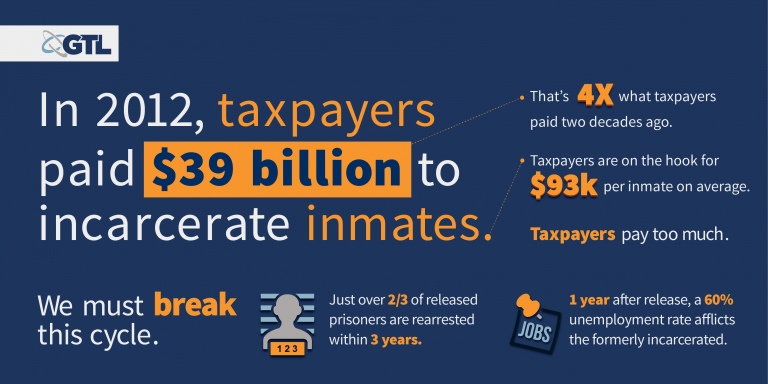
The prison system that is housed within the United States is the largest in the world and has a population of 2.3 million inmates. This vast number of inmates creates a huge logistical obstacle for providing literacy education to the many individuals that have been incarcerated. There are barriers in place that need to be broken down before a successful education process can begin and the prison system can reap the benefits and financial savings that will be the result of a successful literacy education program for prisoners. Prisoners are more than likely going to be carrying some resentment against authority and will have already developed a negative attitude towards education. Not unlike Malcolm X these prisoners would need to overcome their fears of authority and invest in the educational program and use their own motivation to help them achieve their goals and return to society without the desire to reoffend. Having prisoners take a look at themselves will aid the overall belief that providing education will help them, and correctional facilities, in the long run. But the problem does not stop there. The correctional facilities and government authorities have a lot of work to do also. Where would funding for such literacy programs come from? What should the selection process for would-be students look like? What are the thoughts of the general public and tax payer? How would such a literacy educational program be carried out safely?
Funding such a project could be a testy subject, using taxpayers money to educate criminals may not sit well with the majority of the population, not to mention the families that may have suffered and the hands of these convicted prisoners. Looking at industries or corporations that are struggling to hire employees could be an option to generate funding.
Prison authorities could and lobby these organizations for some kind of sponsorship or scholarship program which would tailors prisoners to not only enter back into society, but enter back into employment. The selection process that looks at which offenders in prison qualify for literacy education could be tricky too, who would benefit from providing educational funds to a prisoner that will never see the outside of prison walls again? There are already restrictions in place that make gaining an education within the prison system very difficult, the nature of the crime that is being served could dictate if individuals are eligible for educational funding. The selection process itself would have to be sensible and fair. Using literacy education in prisons to reduce recidivism rates offers a strong argument in favor of expanding opportunities for further education in correctional facilities. Although there is still a lot of details to be worked out, the data shows its clear to see that introducing literacy to prisoners is key to the success of the prison system and society as a whole.


 Literacy in Prison